Close this alert
3024x3437_7e9380445c0fdc19223e9e9 - @god_leaks ... Online
: A dedicated blender for pulp (avoid using your kitchen blender for safety).
: Pulse the soaked material in a blender with plenty of water until it reaches a "soupy" consistency. 3024x3437_7e9380445c0fdc19223e9e9 - @GOD_LEAKS ...
: Fill a large tub with water and stir in several cups of pulp. Submerge your mold and deckle, then lift it horizontally to catch a thin, even layer of fibers on the screen. : A dedicated blender for pulp (avoid using
: Flip the wet sheet onto a flat, absorbent surface (like a felt cloth or towel). Use a sponge to press out excess water through the back of the screen. Submerge your mold and deckle, then lift it
: The core tool for shaping the paper. You can also DIY one using old picture frames and nylon mesh. Vat/Tub : A plastic container large enough to fit your mold.
Making "proper paper" at home involves transforming plant fibers or recycled scraps into a uniform pulp, which is then pressed into thin sheets. Historically, this process was popularized by Ts'ai Lun in China using materials like mulberry bark and hemp. For a modern "proper" result, you'll typically use a —a two-part frame with a screen—to lift fibers out of a water bath. The Papermaking Process
Other Books in Series
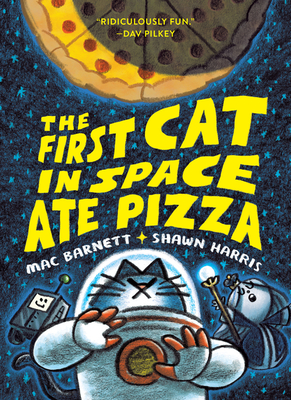
The First Cat in Space Ate Pizza: A Graphic Novel
Paperback
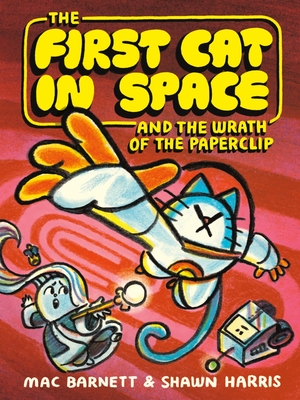
The First Cat in Space and the Wrath of the Paperclip: A Graphic Novel
Paperback
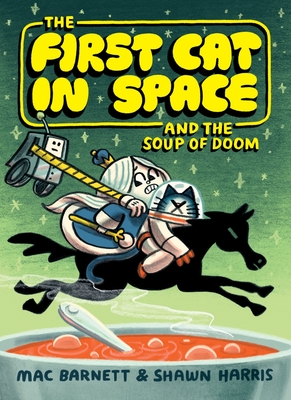
The First Cat in Space and the Soup of Doom: A Graphic Novel
Paperback
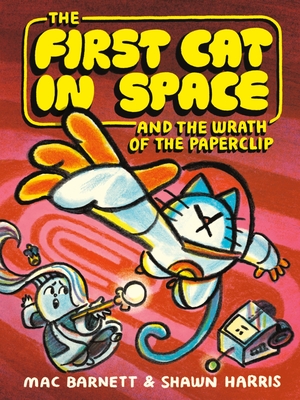
The First Cat in Space and the Wrath of the Paperclip: A Graphic Novel
Hardcover
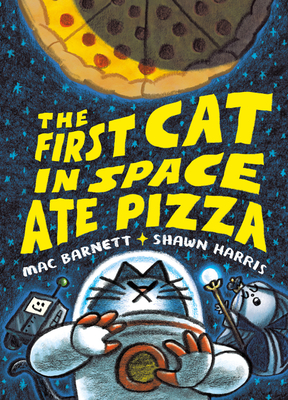
The First Cat in Space Ate Pizza: A Graphic Novel
Hardcover
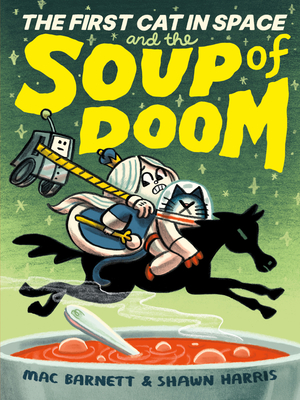
The First Cat in Space and the Soup of Doom: A Graphic Novel
Hardcover
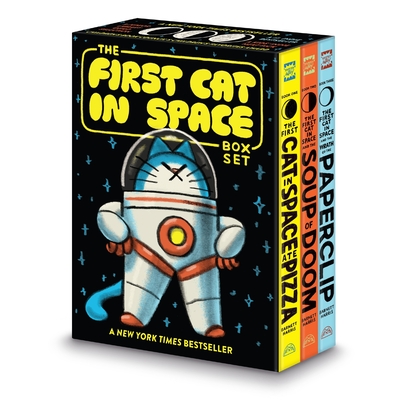
The First Cat in Space 3-Book Box Set: A Graphic Novel Collection: The First Cat in Space Ate Pizza, The First Cat in Space and the Soup of Doom, The First Cat in Space and the Wrath of the Paperclip
Multiple copy pack