| Order Now | About Us | Shipping | HOME | Contact Us | Prices |
| AUDIO MENU | |
| • | Amplifiers |
| • | Beatmachines |
| • | Cables & Wiring |
| • | Cartridges |
| • | Cases & Racks |
| • | CD Players |
| • | CD Recorders |
| • | Compressors |
| • | Crossovers |
| • | Digital DJ Gear |
| • | DJ Tools |
| • | Equalizers |
| • | Electronic Drum Kits |
| • | Headphones |
| • | Karaoke |
| • | Keyboards |
| • | Microphones |
| • | MIDI Controllers |
| • | Mixers |
| • | Needles |
| • | Packages |
| • | Power Conditioners |
| • | Samplers |
| • | Slipmats |
| • | Software |
| • | Software Controllers |
| • | Sonic Maximizers |
| • | Sound Cards |
| • | Sound Effects |
| • | Speakers |
| • | Turntables |
| • | Video Gear |
| • | Voltage Converters |
|
 |

|
|||||||||||
| 2201 S. Union • Chicago, IL 60616 Phone: 312-846-6192 • Fax: 312-492-8949 SE HABLA ESPANOL  |
|||||||||||||


Ballottement Direct
The patella feels like it is "floating." You will feel it move through fluid, click against the femur, and then rebound or "ballotte" back toward your finger.
This test is highly specific for large effusions but may miss smaller amounts of fluid, which are better detected using the Bulge Sign . 2. Obstetric Ballottement
Use one hand to firmly stroke downward from the mid-thigh toward the kneecap. This "milks" fluid out of the suprapatellar pouch and into the space behind the patella. ballottement
Performed by applying a sharp tap to the abdominal wall to feel the fetus move away and return. 3. Abdominal Ballottement
While maintaining pressure with the first hand, use the index finger of the other hand to sharply push the patella downward toward the femur (thigh bone). Findings: The patella feels like it is "floating
The patella is already in contact with the bone; there is no sensation of floating or clicking.
(from the French ballotter , meaning "to toss about") is a medical physical examination technique used to detect floating objects within a fluid-filled cavity. It is most commonly applied in orthopedics to check for knee swelling, in obstetrics to assess pregnancy, and in general medicine to evaluate abdominal organs. 1. Patellar Ballottement (Knee Effusion Test) Obstetric Ballottement Use one hand to firmly stroke
The clinician inserts two fingers into the vagina and gives a sharp upward tap against the lower segment of the uterus. If the fetus is present and not yet engaged in the pelvis, it will float upward and then fall back, tapping against the clinician’s fingers.

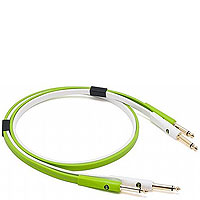 OYAIDE 1/4 - 1/4 CABLES
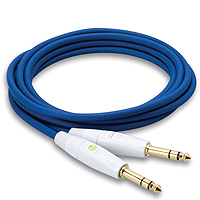 HOSA 1/4 - 1/4 CABLES
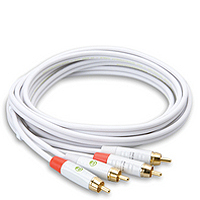 HOSA RCA - RCA CABLES
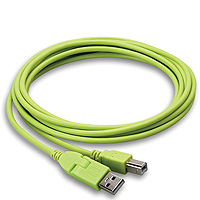 HOSA USB CABLES
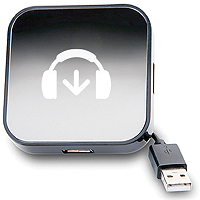 HOSA USB PORT
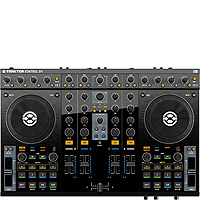 Kontrol S4 - $799.99
 Kontrol S2 - $499.99
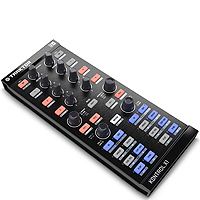 Kontrol X1 - $199.99
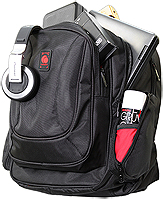 DJ Bags start at $69.99
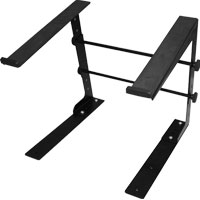 Laptop Stands start at $29.99
| LIGHTS MENU | |
| • | Beacons |
| • | Black Lights |
| • | Bubble Machines |
| • | Centerpiece Effects |
| • | Clamps |
| • | Flame Lights |
| • | Fog Machines |
| • | Fog Juice |
| • | Follow Spots |
| • | Gobo Projectors |
| • | Helicopters |
| • | Intelligent Lighting |
| • | Light Bags |
| • | LED Lights |
| • | Lasers |
| • | Lighting Controllers |
| • | Light Packages |
| • | Mirror Balls |
| • | Par Cans |
| • | Pinspots |
| • | Rope Lights |
| • | Spare Bulbs |
| • | Stands & Trussing |
| • | Strobe Lights |

