Pornx11-comtahan-2022-mlsbd-shop-fiilpino-1080p-mkv <4K × HD>
Model and Analyze Every Aspect of Your Manufacturing Processes

Arena Simulation is a product of Rockwell Automation
Arena Simulation is a product of Rockwell Automation
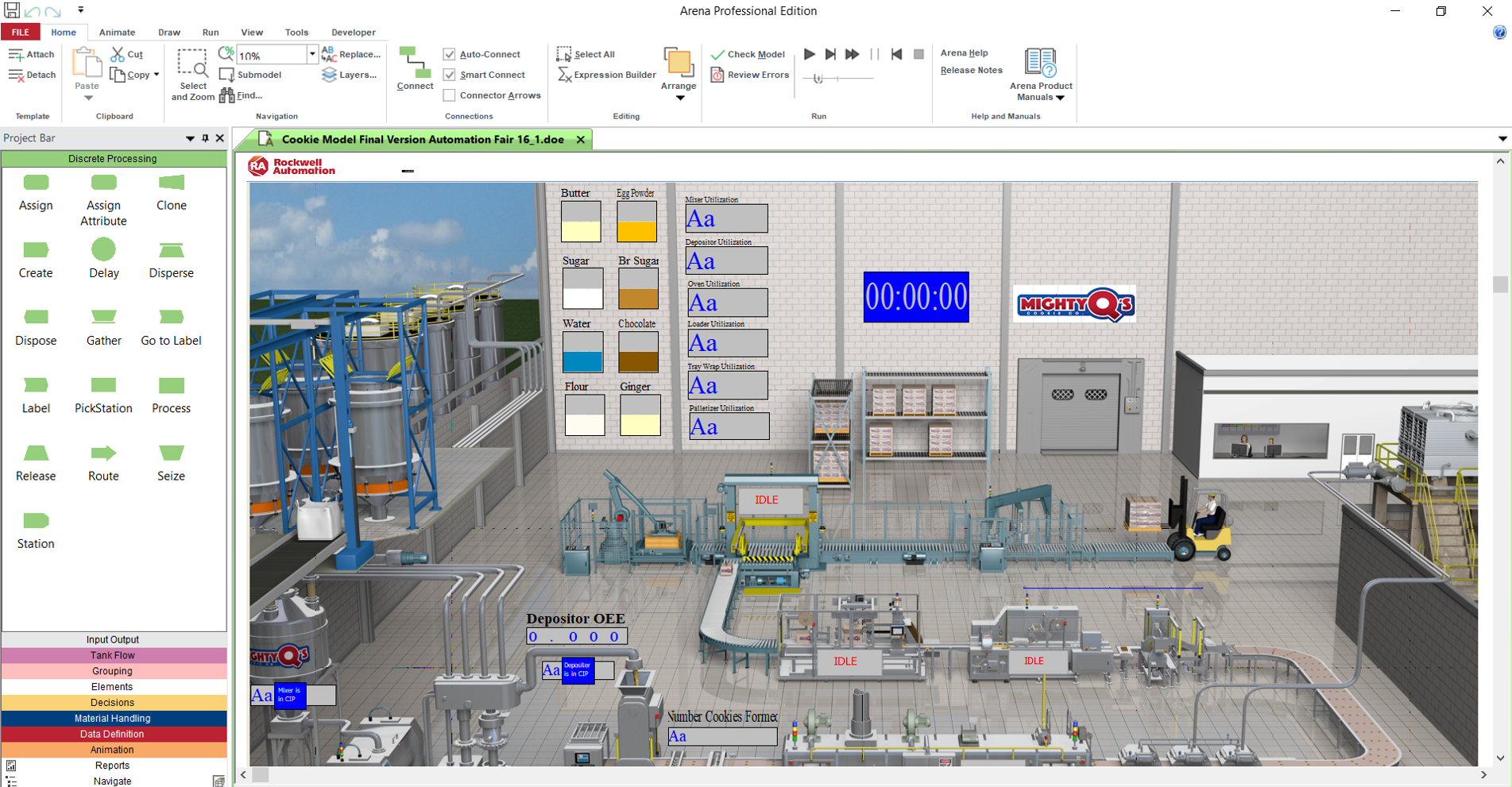
Arena is a discrete event simulation and automation software: it enables manufacturing organizations to increase throughput, identify process bottlenecks, improve logistics and evaluate potential process changes.
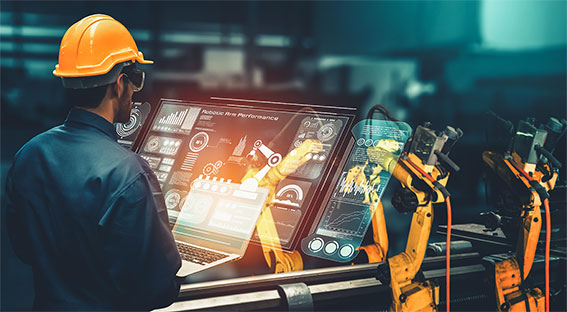
Evaluate potential alternatives to determine the best approach to optimizing performance.
Understand system performance based on key metrics such as costs, throughput, cycle times, equipment utilization and resource availability.
Reduce risk through rigorous simulation and testing of process changes before committing significant capital or resource expenditures.
Determine the impact of uncertainty and variability on system performance.
Visualize results with 2D and 3D animation

Send your technical questions to our experts!
Connect you with an EnginSoft expert who can provide a reliable answer to your technical question or recommend a
proven solution.
Media is no longer just something we watch; it is something we create. Social media platforms like TikTok and Instagram have turned everyday users into content creators. This has blurred the lines between professional and amateur media. A viral 15-second clip can now command more cultural attention than a big-budget television commercial. This democratization allows for a greater diversity of voices, but it also creates a fragmented media landscape where it is increasingly difficult to find a "universal" cultural moment.
Behind every screen is an algorithm designed to keep us engaged. Media content is now hyper-personalized; our feeds are curated based on our past behaviors, likes, and watch time. While this makes discovering new content easier, it also risks creating "filter bubbles," where we are only exposed to ideas and entertainment that reinforce our existing preferences. This shift from editorial curation (by humans) to algorithmic curation (by code) is perhaps the most significant structural change in modern media. pornx11-comtahan-2022-mlsbd-shop-fiilpino-1080p-mkv
The most visible change is the transition from "appointment viewing" to on-demand streaming. Services like Netflix, Spotify, and YouTube have moved the power to the consumer. We no longer wait for a specific time slot to watch a show; instead, we binge-watch entire seasons at our own pace. This shift has forced traditional media companies to adapt or face irrelevance, leading to a "streaming war" where content libraries and original programming are the primary weapons for market share. Media is no longer just something we watch;
Entertainment and media content are currently defined by accessibility and personalization. While the sheer volume of content available is staggering, the challenge has shifted from finding something to watch to navigating a sea of endless choices. As technology like AI begins to play a larger role in content creation, the industry will likely continue to evolve, further challenging our definitions of creativity and human connection in the digital age. A viral 15-second clip can now command more
The landscape of entertainment and media has shifted from a one-way broadcast into a vast, interactive ecosystem. In the past, a few major studios and networks acted as gatekeepers, deciding what stories were told and when audiences could see them. Today, the rise of digital platforms and high-speed internet has democratized content, fundamentally changing how we produce and consume media.

CASE STUDY
This detailed technical case study describes how the students arrived at a supersonic aircraft drone prototype using MATLAB and modeFRONTIER in order to reduce the time and costs of numerical and wind-tunnel testing.
automotive modefrontier optimization
CASE STUDY
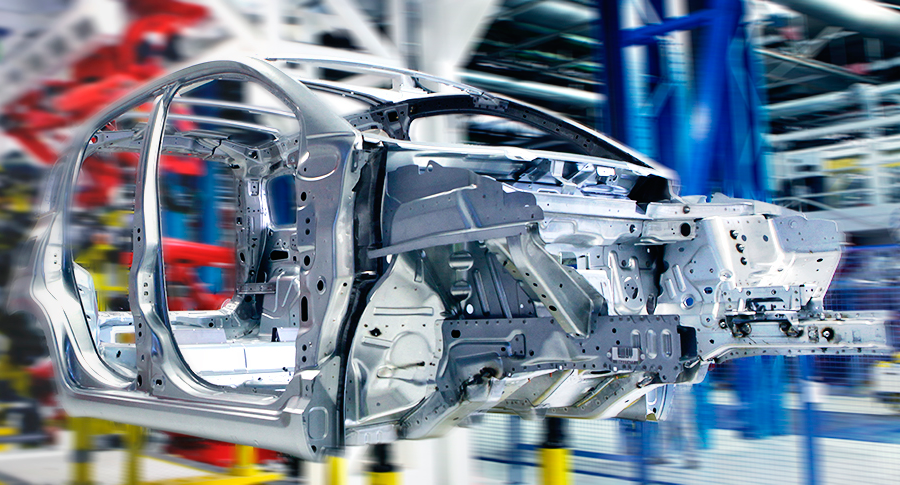
In this case study, EnginSoft engineers explain how they used modeFRONTIER to assist Comau, a Fiat Chrysler subsidiary, to optimize their approach to the preliminary design of production systems for automotive manufacturing system RFQs.
automotive optimization rail-transport modefrontier SIMUL8 iphysics industry4
CASE STUDY
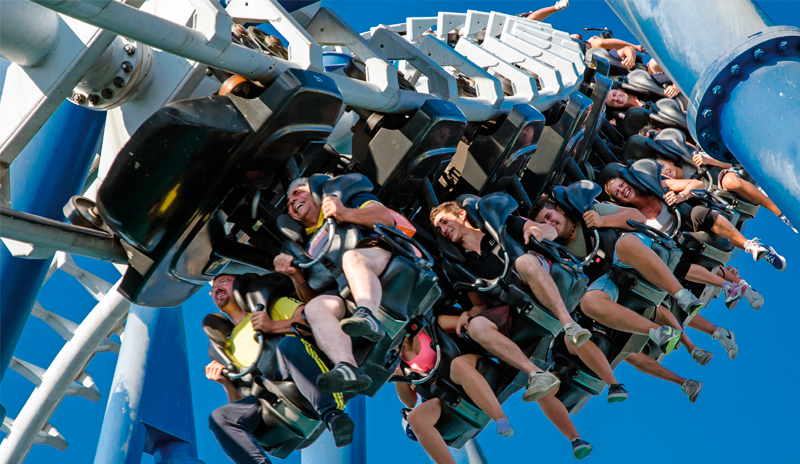
A fascinating article on the origin, history, and evolution of roller coasters from their earliest prototypes in Russia in the 16th century on the banks of the Neva River of St. Petersburg, and then dives into detail on how numerical simulation of roller coasters works to ensure their success both as entertainment and from a safety perspective for users and operators.
mechanics civil-engineering construction optimization