Caso editoriale mondiale: "Gli antropologi"
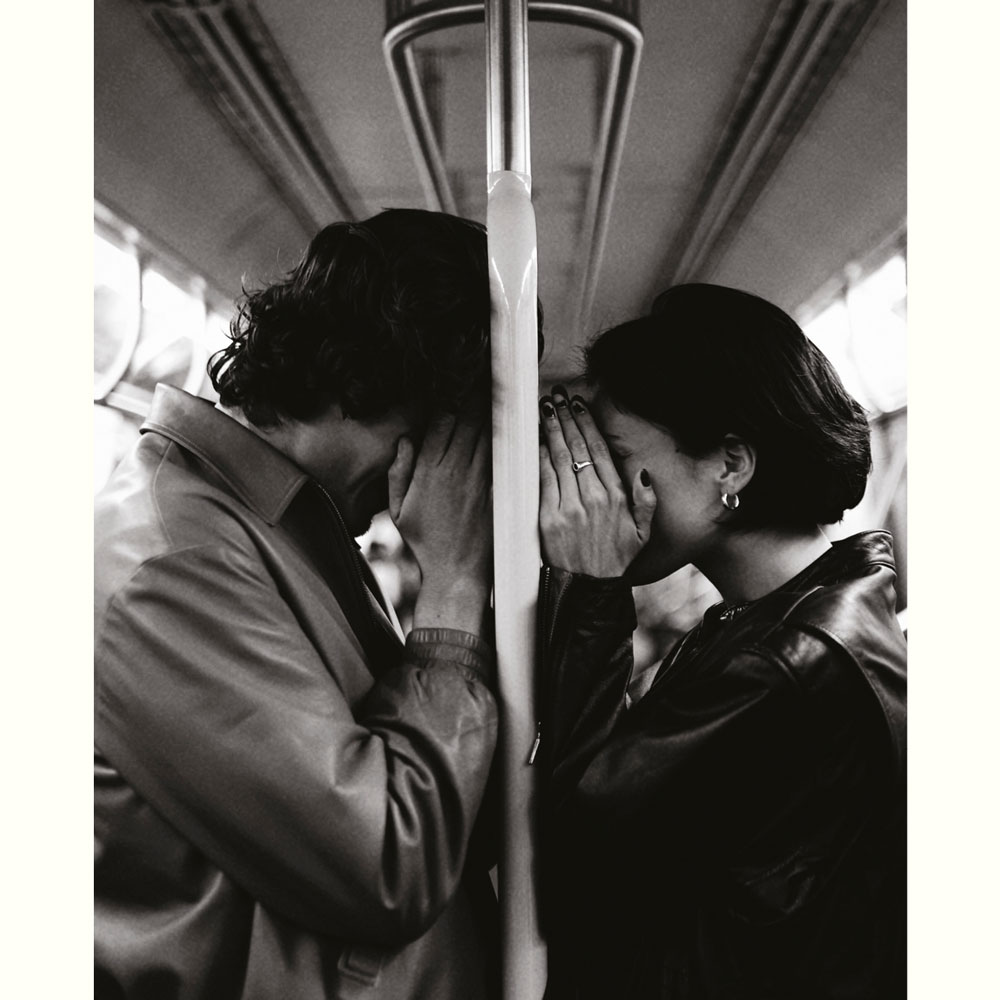
Arriva in Italia Ayşegül Savaş. Gli antropologi si è conquistato il titolo di “miglior libro dell’anno” secondo il "New Yorker".
As the final bell rang and his classmates rushed out, Timur lingered behind. He saw the Reshebnik sitting there, unguarded. Maria Ivanovna had stepped out to talk to a parent. It was his chance.
With a racing heart and trembling hands, Timur crept toward the desk. He reached out and opened the worn cover. Flipping through the pages, he found the section for Unit 5. There they were: the answers to the exercises that had been giving him nightmares.
With a sigh, Timur deleted the photo from his phone. He closed the Reshebnik, placed it exactly where he had found it, and walked out of the classroom. The Real Victory
Timur was a bright boy, but the Present Perfect tense was his sworn enemy. No matter how many times he read the explanations in his textbook, the rules felt like a messy tangle of words. Tomorrow was the big unit test, and the stakes were high. If he failed, his dream of attending the summer robotics camp would vanish.
The "Reshebnik" (answer key) for the 5th-grade Forward English textbook by Verbitskaya sat on the teacher's desk, its corners curled from years of use. To the students of Class 5B, it was not just a book; it was the ultimate artifact of power, rumored to hold the answers to every test, every homework assignment, and every riddle their teacher, Maria Ivanovna, could throw at them. The Forbidden Book
The next day, Timur sat at his desk, staring at the test paper. As he read the questions, he realized he didn't need the Reshebnik. He knew the answers. He had earned them.
Timur stared at the answers on his screen, then looked back at the open book. He thought about the robotics camp. They didn't just want kids who could copy answers; they wanted kids who could solve problems. If he couldn't master a simple English grammar rule, how was he going to program a robot?
Arriva in Italia Ayşegül Savaş. Gli antropologi si è conquistato il titolo di “miglior libro dell’anno” secondo il "New Yorker".
Il fascino delle librerie ekinaka… un rifugio inaspettato per un giovane smarrito e per chiunque stia cercando, senza saperlo, una storia capace di illuminare il proprio cammino. reshebnik po angliiskomu iazyku 5 klassa forward verbitskaia
La pubblicazione di Il buio oltre la siepe di Harper Lee nel 1960 fu un evento memorabile: il romanzo vinse il premio Pulitzer, fu tradotto in quaranta Paesi, vendette quaranta... As the final bell rang and his classmates
I Grammatici, la nuova collana di Gramma, nasce con questa intenzione: pubblicare opere che, nel vasto ambito della letteratura, siano capaci di illuminare un aspetto fondamentale ancora nascosto del... It was his chance